


Indications for thyroid biopsy
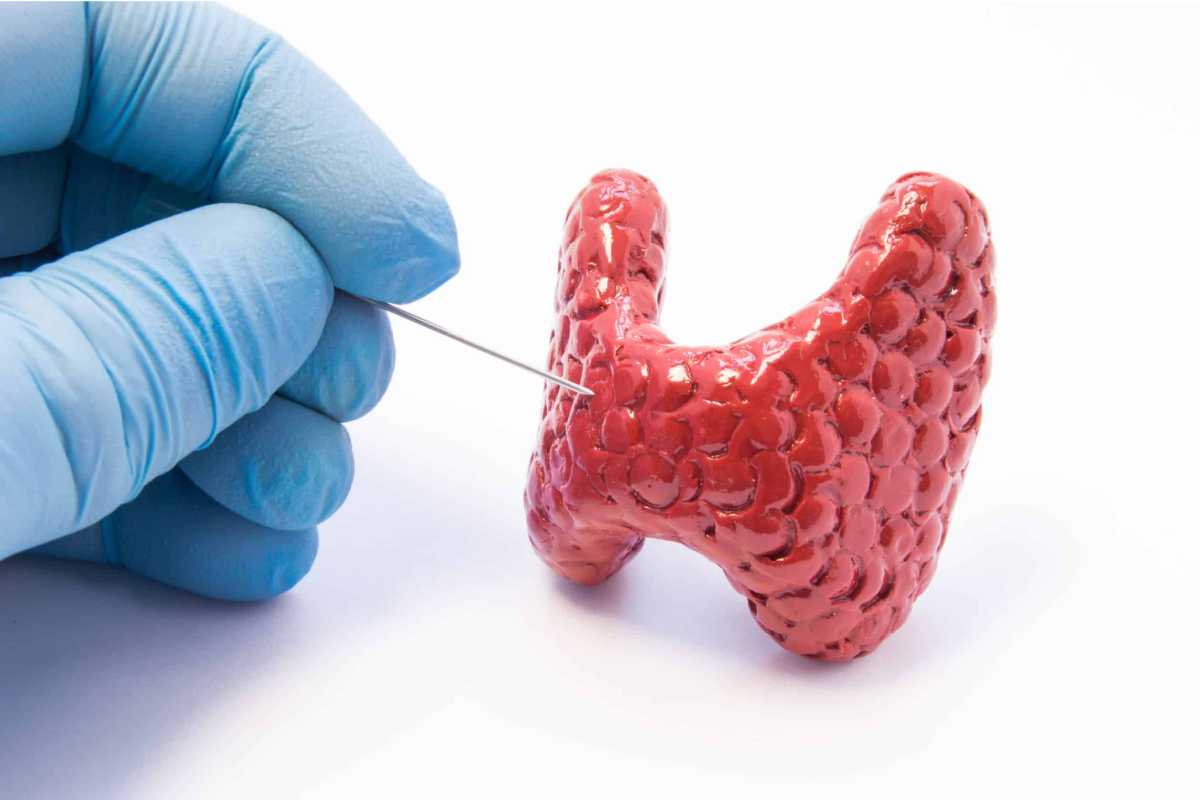
Thyroid Disorders Are Becoming More Common
The prevalence of thyroid conditions is steadily increasing. According to international studies, half of all women over 50 have thyroid nodules, and by age 70, this number approaches 100%. This growing incidence requires physicians to not only provide accurate diagnoses but also ensure early detection of malignancies and make the right decisions regarding surgical interventions.
Fine-Needle Aspiration Biopsy: The Gold Standard for Thyroid Nodule Evaluation
Fine-needle aspiration biopsy (FNAB) is the most effective method for evaluating thyroid nodules. It is performed whenever a nodule is detected and needs further examination to determine its nature. When Is a Biopsy Recommended? Today, thyroid nodules are classified using the TIRADS (Thyroid Imaging Reporting and Data System) based on ultrasound findings. This classification helps physicians assess the risk of malignancy and determine whether a biopsy is necessary.
A fine-needle aspiration biopsy is recommended in the following cases:
- A nodule larger than 1 cm is detected on ultrasound.
- A nodule smaller than 1 cm is found, but the patient has a history of radiation exposure or a family history of thyroid cancer.
- A suspicious nodule is detected on ultrasound and requires further evaluation.
Nodules smaller than 0.5 cm are generally considered low-risk for malignancy. In such cases, biopsy is not required, and regular ultrasound monitoring is typicall


